
Echoes of Gold and Grit The Story of Victoria’s Chinese Pioneers

Victoria, BC is a city steeped in layers of history. Among its most enduring and fascinating legacies is that of the Chinese immigrants who, in the mid-19th century, left their homes across the Pacific to carve out a new life here. Their journey was neither easy nor always welcome but it was transformative. Today, the imprint of Chinese culture, perseverance, and contribution can be found in the city’s architecture, cuisine, alleys, cemeteries, and soul.
Why They Came: The Lure of Gold and Opportunity
The story begins in the 1850s, with the discovery of gold along the Fraser River and later in the Cariboo region. At the time, British Columbia was still a young colony, sparsely populated and eager for growth. News of the “Gold Mountain” spread across the Pacific to southern China, especially the rural districts of Guangdong province (formerly known as Canton), where poverty and political instability plagued many families.
The Chinese migrants were primarily men, sons, husbands, and fathers, who ventured across the Pacific Ocean with dreams of prosperity. They often came as indentured laborers, paying hefty fees to brokers in exchange for passage aboard cramped, unsanitary ships. Many believed they would stay only a few years, earn a fortune, and return home. But the reality was far more complex.
From Guangdong to Gold Mountain
Most early Chinese immigrants hailed from the Pearl River Delta region, particularly from Toisan (Taishan), a district in Guangdong province. These were hardworking Cantonese speakers, farmers and craftsmen, already familiar with overseas migration through earlier waves to Southeast Asia. They arrived in Victoria, the main port of entry to British Columbia, with little more than determination, family debts, and a few precious belongings.
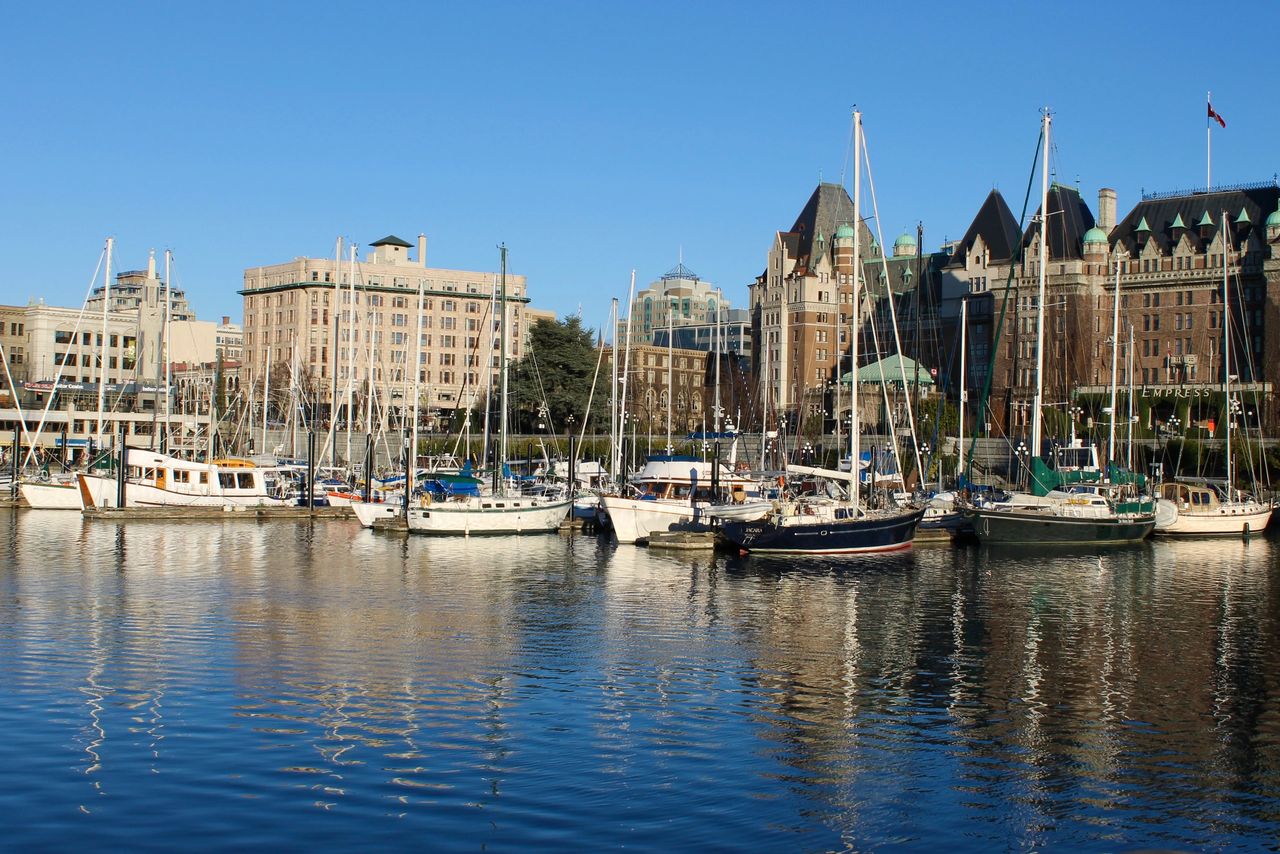
Victoria quickly became the gateway to British Columbia for Chinese migrants. The city’s location made it the ideal stopping point before venturing into the interior for gold. But as competition for gold intensified and racial discrimination hardened, many Chinese workers found themselves relegated to low-paying labor jobs, working in mines abandoned by white prospectors, constructing roads and railways, and serving as cooks, gardeners, and laundrymen in Victoria and other growing towns.
Life Under Prejudice: Barriers and Resilience
From the beginning, Chinese immigrants faced hostility from settlers and government authorities alike. They were denied voting rights, excluded from most professions, taxed unfairly, and subjected to humiliating restrictions. In 1885, Canada introduced the notorious “Chinese Head Tax,” a punitive levy on every Chinese person entering the country. The amount started at \$50 and eventually rose to $500, more than two years’ wages at the time.
Later, the 1923 Chinese Immigration Act (known as the Chinese Exclusion Act) effectively barred Chinese people from entering Canada altogether, isolating families for decades. Despite this, the Chinese community in Victoria remained remarkably cohesive and resilient, centered around family associations, benevolent societies, and traditional values of hard work and education.
Victoria’s Chinatown: The Oldest in Canada
The community built its heart in Victoria’s Chinatown—Canada’s oldest and the second-oldest in North America after San Francisco. At its peak in the late 1800s, this thriving neighborhood bustled with over 3,000 residents, many of whom lived in narrow multi-story tenements, small shops, and social clubs. The streets were vibrant with herbalists, apothecaries, Chinese theatres, grocers, and restaurants.
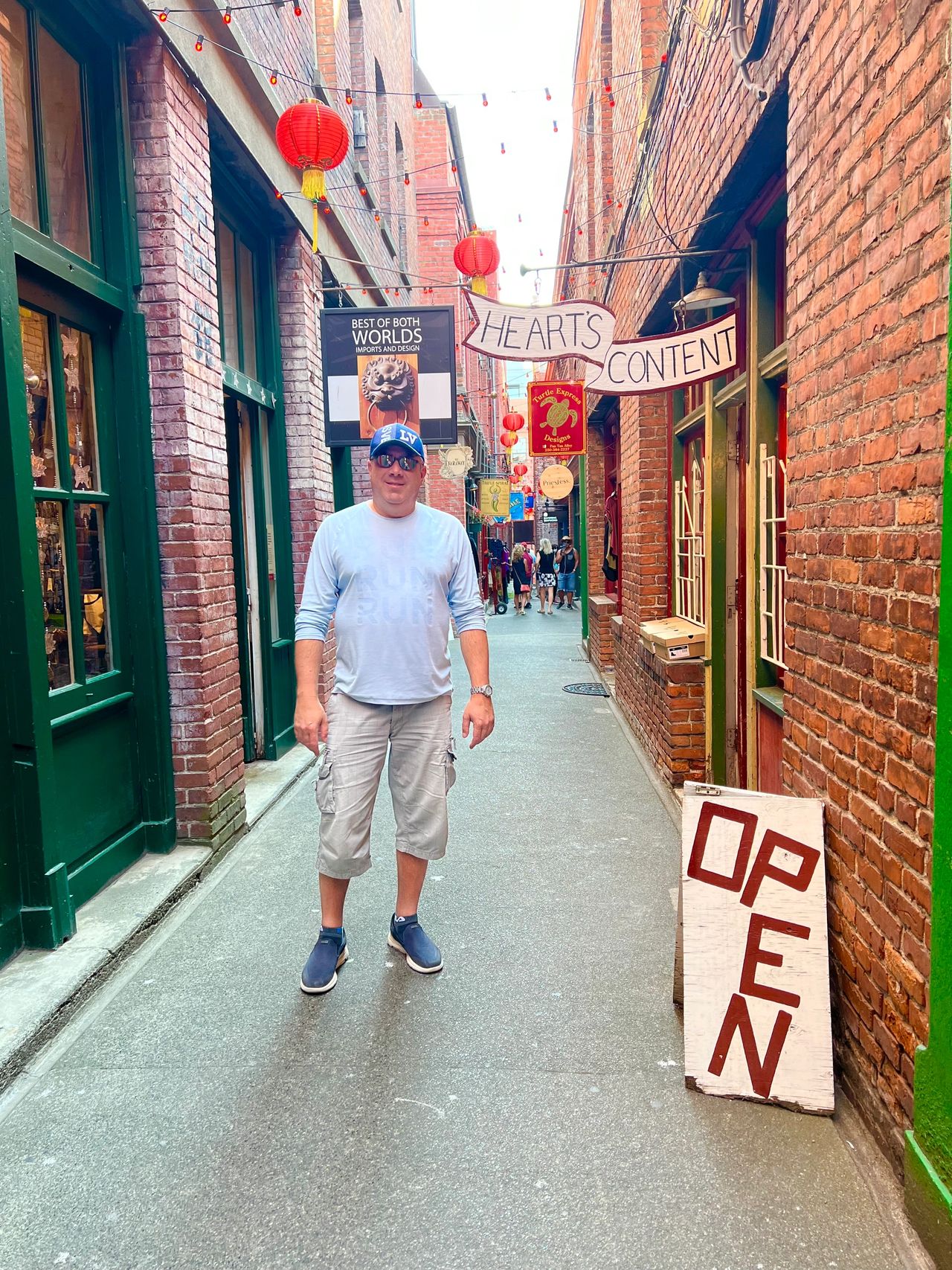
Perhaps the most iconic landmark is Fan Tan Alley, once a hotspot for the Chinese gambling game called Fan-Tan, a fast-paced game of chance involving small objects like beads or buttons and a metal cup. The alley itself is the narrowest street in Canada, corridor tucked between Fisgard and Pandora streets. In the early 1900s, it was lined with gambling houses and opium dens. Today, it has transformed into a charming, historic passage of art galleries, boutiques, and tea shops, its red brick walls whispering stories of a layered, turbulent past.
The Chinese Cemetery by the Sea: A Sacred Resting Place
For the Chinese community, honoring the dead was as important as nurturing the living. Just outside the city limits, perched on a windswept bluff overlooking Haro Strait, lies the Chinese Cemetery at Harling Point. One of the oldest and most significant Chinese cemeteries in Canada, it was established in 1903 by the Chinese Consolidated Benevolent Association. This tranquil site was chosen not only for its beauty but for its spiritual alignment with the principles of feng shui. Considered a place of peace and power, where the Dragon Meets the Tiger, by sea, sky and mountains.
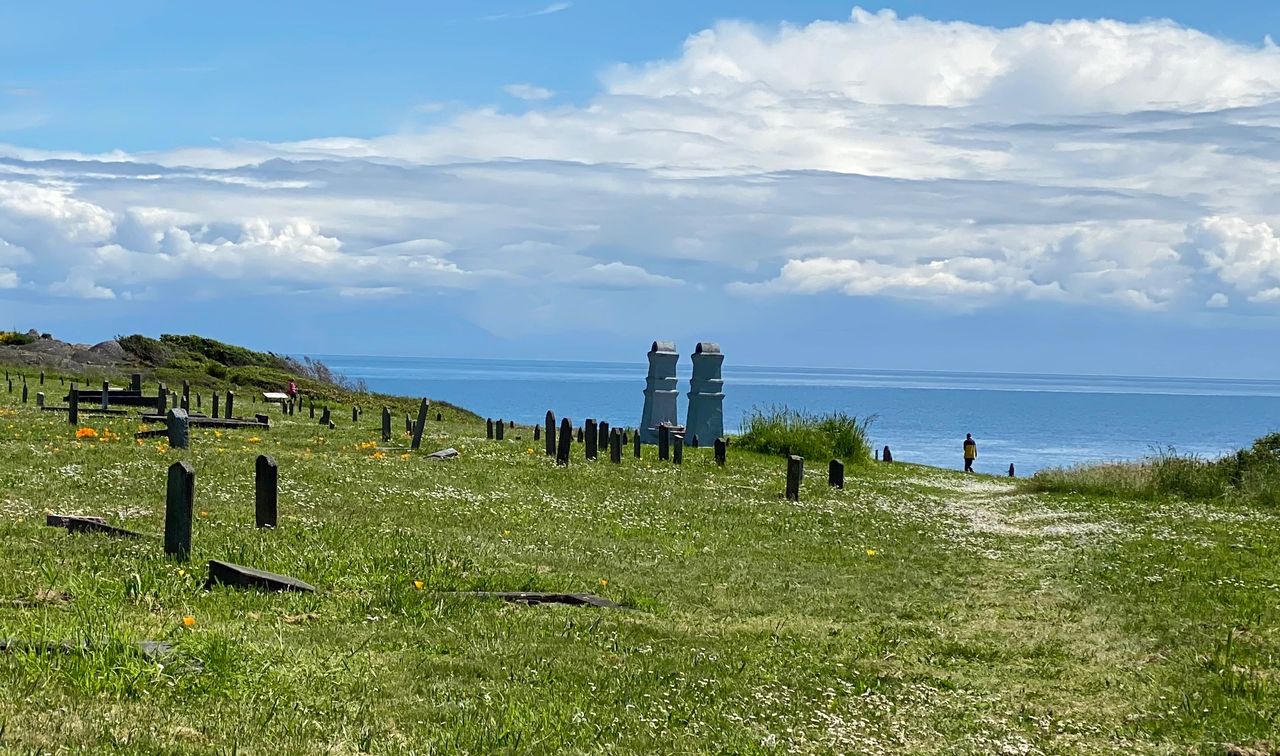
According to Chinese tradition, burial grounds must harmonize with the elements to bring peace to the dead and fortune to the living. The cemetery faces east, toward the ocean, allowing spirits a clear path back to China. For decades, it was customary to exhume the remains after seven years and ship the bones back to the ancestral villages in China, a practice that continued until it was banned by the Communist government in 1949.
In 1995, the cemetery was designated a National Historic Site of Canada. It stands today as a solemn, beautiful reminder of the struggles and enduring legacy of Chinese pioneers.
People Who Made a Mark
While many Chinese immigrants lived lives of quiet perseverance, some rose to prominence through ingenuity and determination. One such figure was Chung Wing-Sang, who arrived in Victoria in the 1880s and became one of the city’s first successful Chinese merchants. His Wing Sang Company imported goods from China and supplied the growing Chinese community with familiar wares and necessities. His legacy continued through generations. His son, Wong Foon Sien, became a leading civil rights activist in Vancouver and fought to end the Chinese Exclusion Act.
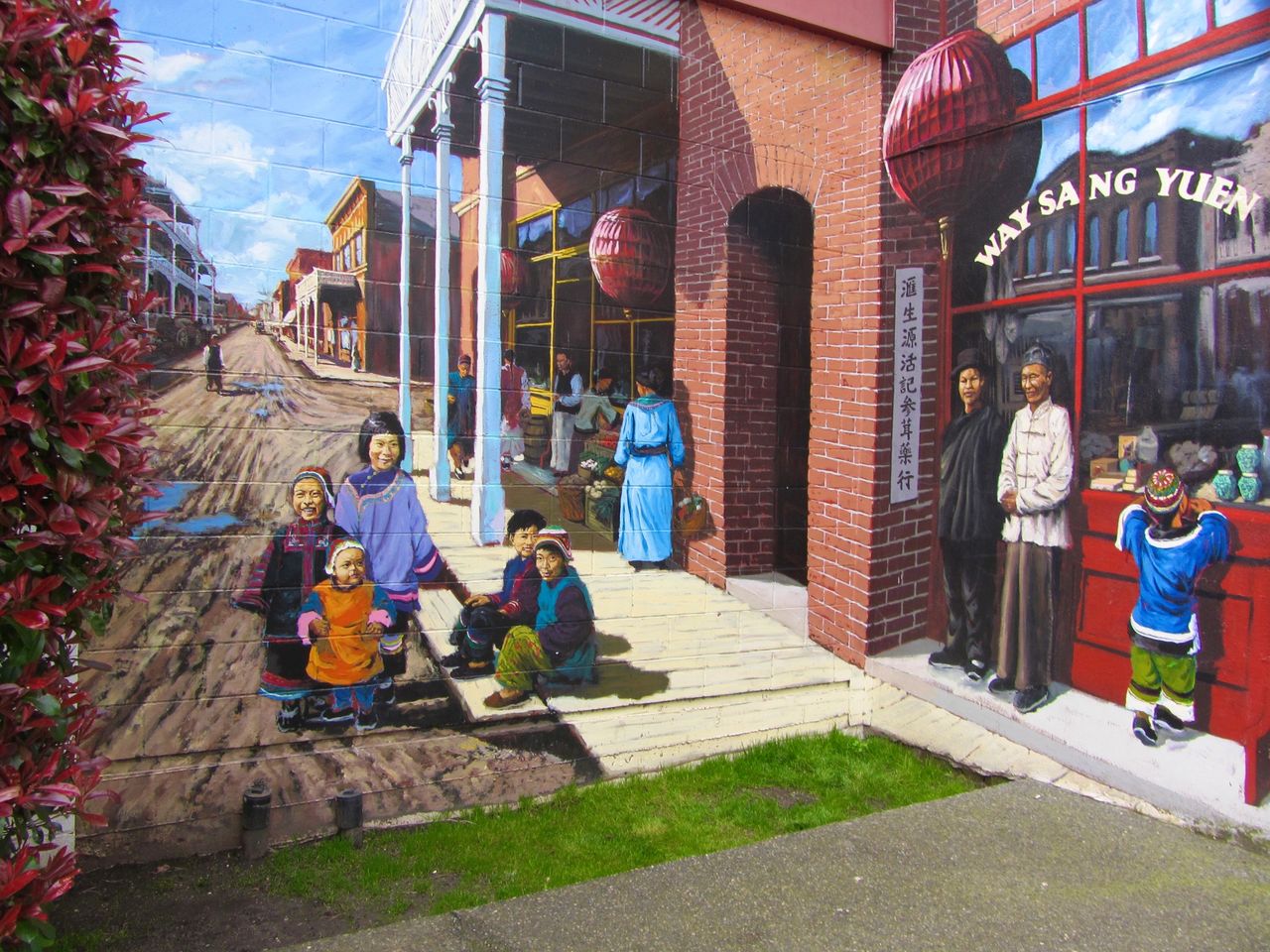
Another noteworthy figure was Lum Sam, a prominent businessman who co-founded Victoria’s Chinese Freemasons. He was instrumental in organizing relief and social services for new immigrants and advocated for Chinese rights in a period when such actions were rare and often dangerous.
These men and countless others whose names may never grace plaques or history books, helped shape Victoria into a city that eventually embraced its multicultural identity. They fought for their children to be educated, for families to be reunited, and for the right to be seen as Canadians in more than name.
Legacy and Revival
Today, the legacy of Victoria’s Chinese pioneers is honored and celebrated. Walking tours through Chinatown highlight the rich architectural and cultural heritage. Historic plaques tell the stories of immigration, resilience, and transformation. Modern Chinese Canadians in Victoria continue to shape the cultural landscape through business, politics, arts, and community activism.
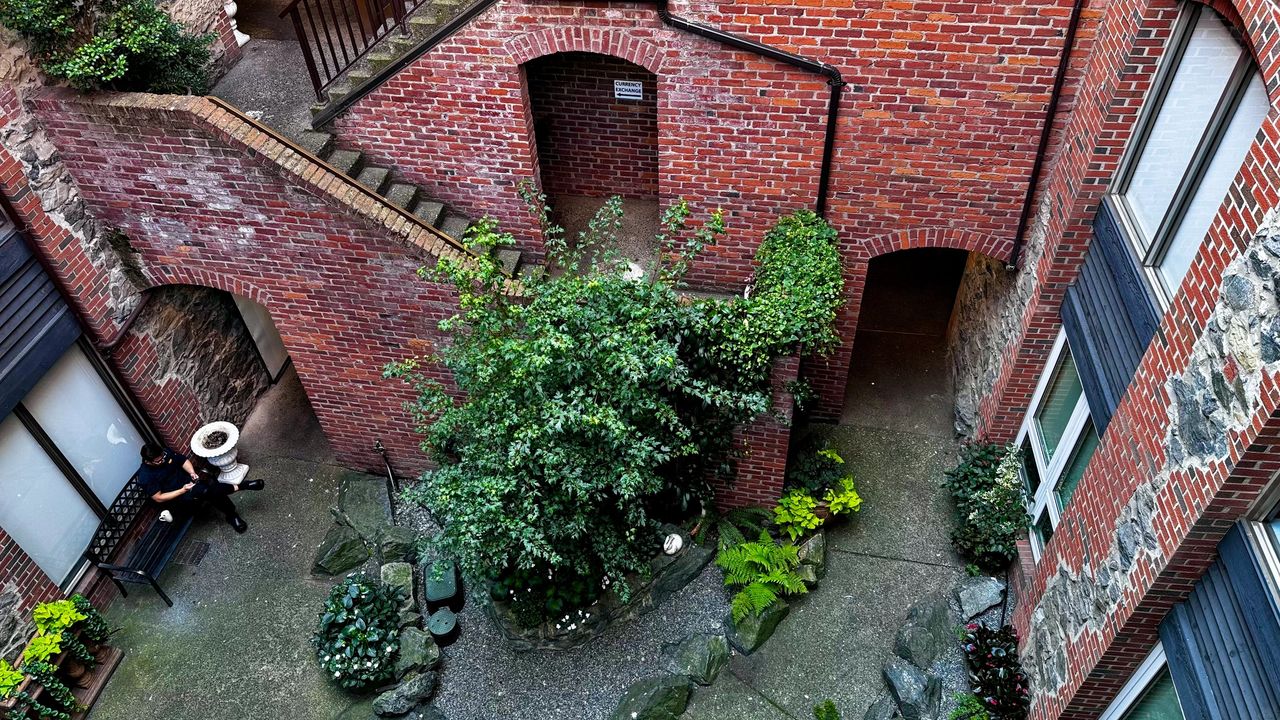
Visitors can still walk through Fan Tan Alley, smell the incense from traditional stores, or enjoy dim sum at one of the long-standing restaurants on Fisgard Street. And those seeking a deeper sense of connection can visit the Chinese Cemetery at Harling Point, where waves crash against the rocks below, and the wind carries stories across the Pacific.
Experience It with EV Tours
At EV Tours, we believe that true understanding comes through personal connection and storytelling. That’s why we include Victoria’s Chinese heritage in many of our private tours. Whether you’re exploring the narrow passageways of Chinatown, learning the meaning behind Fan Tan Alley, or standing at the edge of the Chinese Cemetery, you’ll walk away with more than photographs. You’ll carry the spirit of a people who helped build British Columbia from the ground up.
Join us as we explore not just the landmarks, but the human stories behind them. Because in Victoria, history is not just found in museums—it’s in the air, the stones, and the stories waiting to be told.
Interested in walking through history? Contact EV Tours to arrange a private tour tailored to your interests. Learn the hidden histories of Victoria with expert local guides who bring the past to life.