
Purple martin Tod Inlet Vancouver Island | Nesting Habitat Near Butchart Gardens
The History of Tod Inlet
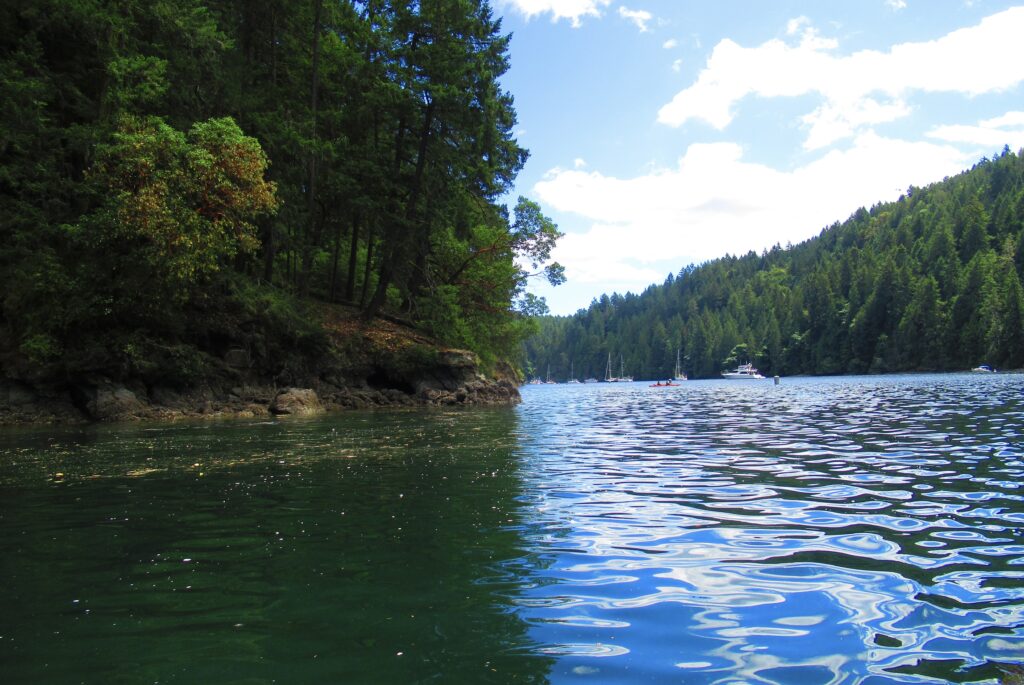
Tucked quietly near Butchart Gardens in Brentwood Bay on Vancouver Island, Tod Inlet holds a layered history that many visitors pass by without realizing. Today known for its calm waters, forested shoreline, and birdlife, including the purple martin Tod Inlet Vancouver Island habitat, this peaceful inlet was once an industrious site shaped by human ambition.
In the late 1800s, Tod Inlet was home to a thriving limestone quarry and cement plant. The Vancouver Portland Cement Company operated here, extracting limestone used in the development of British Columbia. Workers lived nearby, and the inlet became a hub of industry, transport, and daily labor. The natural landscape was carved and reshaped to support production, leaving a lasting imprint on the land.
When the quarry ceased operations in the early 1900s, Tod Inlet began a gradual transformation. Over time, nature reclaimed the site. Forests returned, the shoreline softened, and wildlife slowly reestablished itself in this once industrial setting. What had been a place of extraction evolved into a tranquil coastal environment.
Today, Tod Inlet is one of Vancouver Island’s quiet hidden gems, known for its scenic walking trails, birdwatching opportunities, and proximity to Butchart Gardens. Visitors can explore the area and still sense its history beneath the surface, where past and present exist side by side. This unique blend of industrial heritage and natural renewal makes Tod Inlet a meaningful stop on an EV Tours experience, offering insight into both the history and natural beauty of southern Vancouver Island including the site of the purple martin Tod Inlet Vancouver Island.
A Guide Who Sees What Others Miss
Landscapes like Tod Inlet near Butchart Gardens are never just scenery. They hold stories of history, wildlife, and restoration that reveal the richness of Vancouver Island’s natural world. For guests interested in nature, birdlife, and the coastal ecology of southern Vancouver Island, places like Tod Inlet offer a deeper understanding of what makes this region so special. Those who wish to explore the area more fully can enjoy the forested hike and shoreline setting that make Tod Inlet such a rewarding place to experience.
EV Tours guide John is a bird expert here on Vancouver Island. His knowledge of local ecosystems goes far beyond bird identification. He understands how forest, shoreline, water, and wildlife interact, and he shares those connections in a way that helps guests see Vancouver Island with greater depth and appreciation.
John is a fabulous guide who shares the story of Vancouver Island’s nature and wildlife on our tours. From the call of a hidden bird to the movement of life along the coast, he brings insight, enthusiasm, and a keen eye to each experience. Guests often come away noticing more, listening more closely, and feeling more connected to the natural beauty around them.
His work at Tod Inlet reflects that same dedication, not only to observing wildlife on Vancouver Island, but also to actively supporting conservation through the creation and care of purple martin nesting habitat.
The Purple Martin: A Remarkable Traveler
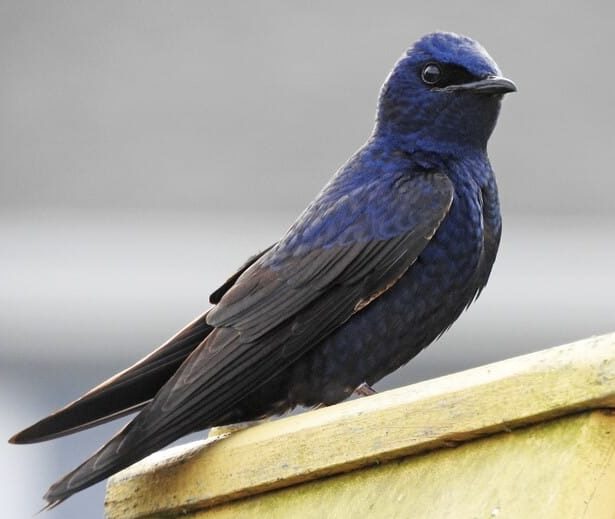
The purple martin, North America’s largest swallow, is a bird of both elegance and endurance. Its sleek silhouette and iridescent dark blue plumage make the purple martin easy to recognize as it glides effortlessly above open water along coastal regions such as Vancouver Island.
One of the most remarkable aspects of the purple martin is its long-distance migration. Both the western and eastern subspecies travel thousands of kilometres each year, migrating from North America to southern Brazil and northern Argentina for the winter before returning to their nesting grounds. This extraordinary journey connects ecosystems across continents and highlights the importance of preserving habitat along their migratory route.
Despite their strength and adaptability, purple martins rely on very specific nesting conditions. Historically, they nested in groves of dead or decaying trees, using woodpecker holes and natural cavities to raise their young. These natural nesting environments supported entire colonies, providing safety, shelter, and access to abundant insect food sources.
As human development expanded, many of these standing dead trees were removed from the landscape. The loss of natural nesting cavities had a significant impact on purple martin populations, leading to a sharp decline and near disappearance in some regions. Without suitable nesting sites, these birds could not reproduce successfully, making conservation efforts such as the purple martin habitat at Tod Inlet on Vancouver Island essential to their survival.
Rebuilding a Lost Habitat
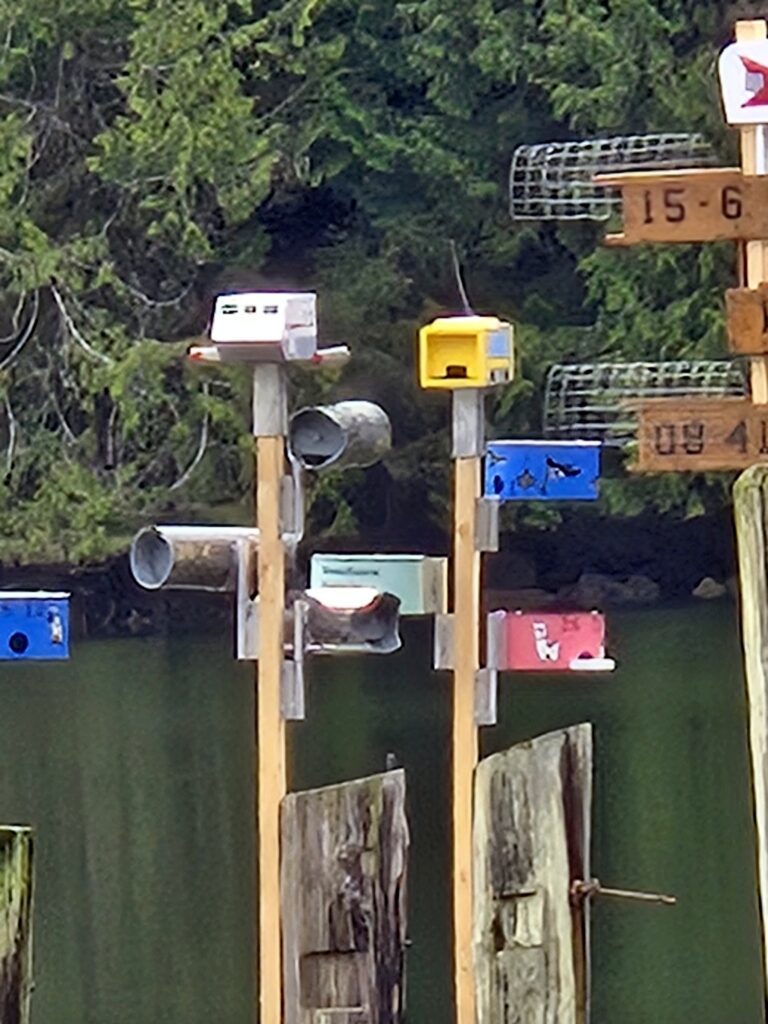
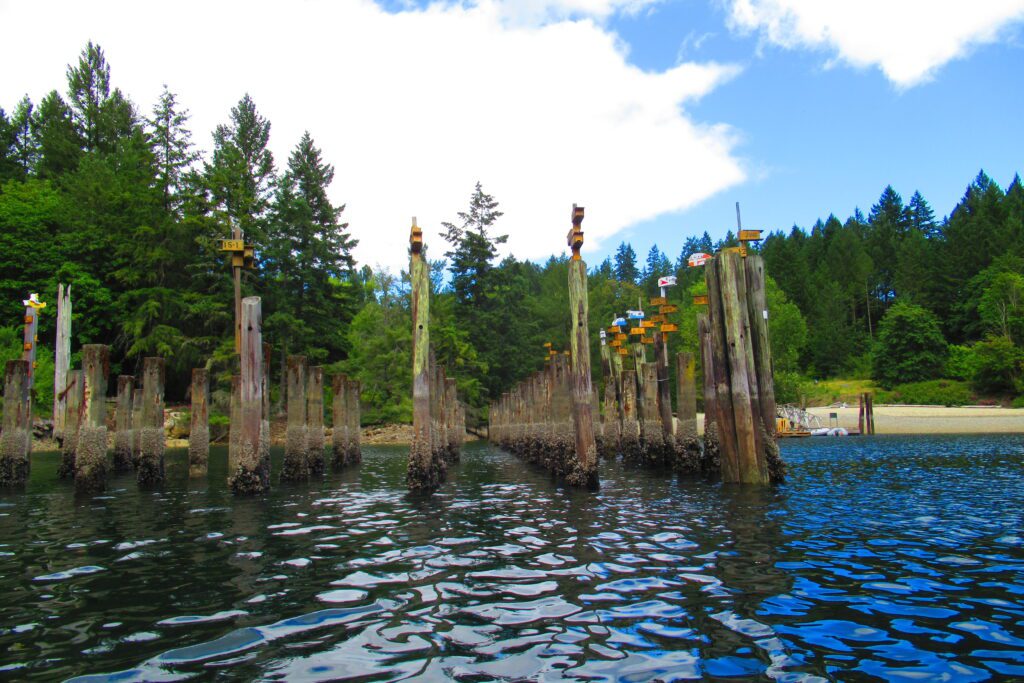
At Tod Inlet, purple martin conservation has taken the form of careful and thoughtful habitat creation. Today, there are approximately seventy eight nesting cavities in a variety of nest boxes placed close to or directly over the water. This location is essential because the western purple martin prefers to nest very near or over water, whether saltwater or freshwater.
Eastern and western purple martins differ in their nesting preferences in an especially interesting way. Eastern purple martins readily use large multi compartment birdhouses, often called martin condos, commonly found in open fields. Western purple martins, however, are far more selective. Although they prefer to nest together in colonies, they generally refuse these condo style structures.
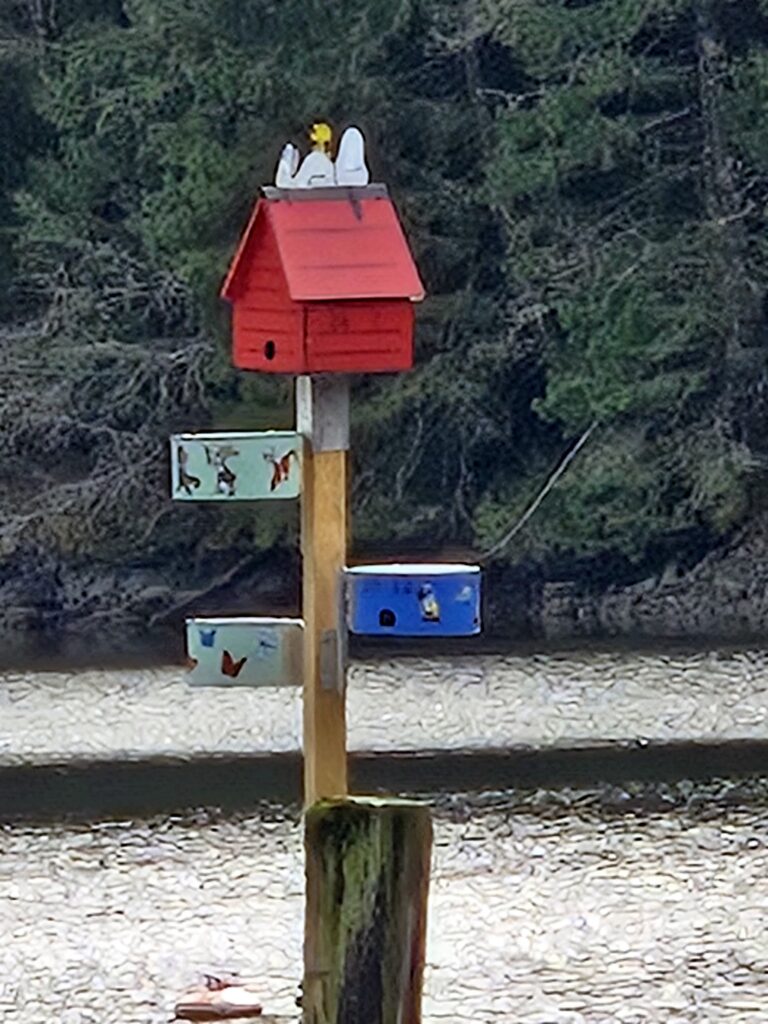
Instead, western purple martins have shown a clear preference for individual nest boxes, especially those with distinctive shapes and varied designs. This is where John’s creativity has played an important role in supporting purple martin habitat at Tod Inlet.
Whimsical Nest Boxes with a Purpose
The colourful and whimsical nest boxes at Tod Inlet began as an experiment. The goal was to discover whether the shape and character of a nest box influenced whether western purple martins would accept it. If round or unconventional designs proved successful, they could help inspire artificial nest trees that more closely resemble natural nesting cavities.
At one point, John built a single nest box shaped like a Star Trek shuttlecraft, largely for fun. The result was remarkable. That nest box served as a successful nesting site every year for sixteen years.
Encouraged by that success, he expanded the idea. He created eight additional nest boxes modeled after old fashioned retro travel trailers, and the birds used every one of them. Later, BC Ferries commissioned him to build ten nest boxes designed as scaled down versions of their ferries. Around the same time, he also created one inspired by the Beatles’ Yellow Submarine, which proved successful as well.
These imaginative nest boxes are not only functional but also memorable. They support western purple martin nesting habitat at Tod Inlet while showing how creativity, conservation, and careful observation can work together to help a species recover.
A Comeback That Depends on Care
The story of the purple martin is not only one of decline but also one of recovery. Man made wooden nest boxes have given purple martins the opportunity to raise their chicks again, helping populations rebound toward historic levels in parts of North America.
This recovery, however, is not self sustaining. Purple martins now depend on maintained nesting habitat. Without regular cleaning, repair, and long term care of these nest boxes, these birds lose the safe nesting conditions that support their return.
That reality became especially clear this year at Tod Inlet. The entire purple martin nest box colony needed major maintenance, and the team removed every box for cleaning and repair. The entire purple martin nest box colony needed major maintenance, and the team removed every box for cleaning and repair. Although this work was necessary, the temporary disappearance of the boxes was noticeable. Many people in the community expressed concern, not knowing what had happened to these familiar nesting structures. Their reaction was a reminder of how deeply the purple martins and their nest boxes have become part of the Tod Inlet landscape.
New Nest Boxes for a New Season
During this restoration period, John took the opportunity to expand the project even further. He built many new purple martin nest boxes, testing different designs, styles, and mounting systems. Each new structure is part of an ongoing effort to improve nesting habitat for the western purple martin and to better understand which designs the birds will accept.
As spring approaches at Tod Inlet, the next chapter of this conservation story begins to unfold. The return of the purple martins will reveal how these new nest boxes and updated systems support the future of this remarkable migratory bird on Vancouver Island.
The Seasonal Rhythm of Return
Each year, purple martins begin arriving at Tod Inlet in April. They arrive early and establish the best nesting locations, choosing what could be considered prime real estate. The actual nesting season follows, spanning from June through August.
By early September, the cycle completes itself. The birds depart, heading south on their long journey back to South America.
For those who visit during the right moment, there is something quietly extraordinary about witnessing this cycle. It connects this peaceful inlet on Vancouver Island to distant landscapes thousands of kilometres away.
Experiencing Tod Inlet on an EV Tours Journey
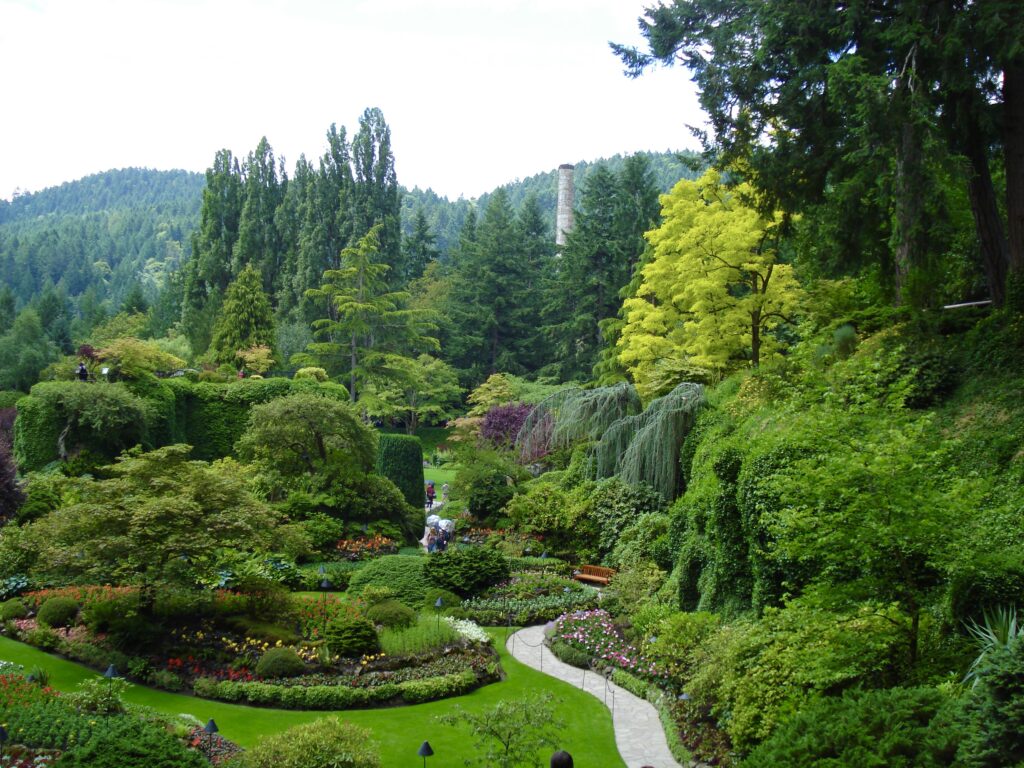
Travellers visiting the Butchart Gardens with us, may want to take a hike to Tod Inlet. This beautiful coastal setting offers far more than scenery. To stand at Tod Inlet today is to experience a place shaped by both history and care. From its industrial beginnings as a limestone quarry site to its present role as a haven for wildlife, Tod Inlet on Vancouver Island reflects renewal, conservation, and the enduring beauty of the natural world. Tod Inlet trail on Vancouver Island
Through guides like John, EV Tours brings guests into that story with greater depth and understanding. John does more than show them a location near Butchart Gardens. He helps them discover its many layers, its birdlife, its shoreline habitat, and the thoughtful conservation efforts that sustain it.
Purple martins overhead and imaginative nesting boxes along the water bring this landscape to life. Along the forested trail, John’s knowledge adds a deeper connection to Vancouver Island nature. This experience grows from observation and respect. It deepens the connection to the landscapes and wildlife of southern Vancouver Island.
In a place where industry once dominated, life has returned in flight. With careful stewardship and habitat restoration, Tod Inlet continues to thrive. It remains a remarkable place for history, birdlife, and natural beauty.