
Tales of the Gold Rush on Vancouver Island

Tales of the Gold Rush on Vancouver Island
There are moments in history when a quiet place is suddenly pulled into the orbit of the world. Vancouver Island gold rush history begins with such a moment in 1858, when news of gold along the Fraser River spread like wildfire. Within weeks, ships crowded the harbor of Victoria, tents sprang up across open land, and a frontier society emerged almost overnight. What followed was not a single story, but a tapestry of human ambition, hardship, ingenuity, and transformation.
These are some of those stories. Some are drawn from documented events, others from the lived experiences of people who passed through this landscape. Together, they offer a glimpse into a time when Vancouver Island stood at the threshold of a new era.
The Harbour That Changed Overnight
In early 1858, Victoria was a modest outpost centered around Fort Victoria, operated by the Hudson’s Bay Company. Its population was small, its pace unhurried, and its role primarily that of a trading post.
Then came the gold.
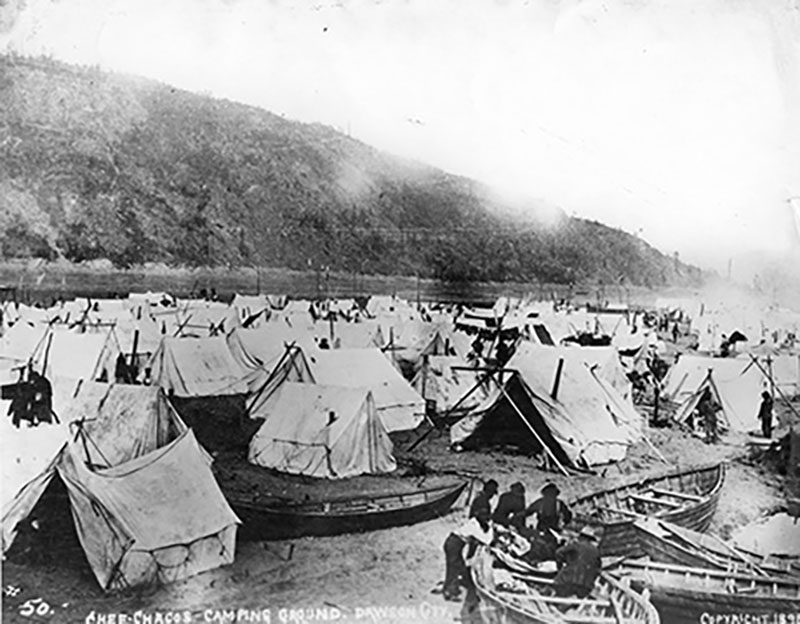
Within months, more than 25,000 prospectors arrived, many from California where gold fever had already taken hold a decade earlier. Ships filled the harbor, and the shoreline became a maze of tents, makeshift structures, and supply stalls.
One account describes a merchant who had arrived only weeks before the rush. He had stocked modest supplies expecting a slow season. Suddenly, he found himself selling everything at a premium. Flour, tools, boots, even basic clothing became scarce. What had been a quiet enterprise turned into a whirlwind of commerce. In his letters, he wrote not of gold, but of opportunity, remarking that those who supplied the miners often prospered more than those who chased the gold itself.
Victoria transformed from a remote outpost into a bustling gateway. Yet, this rapid growth also brought tension, uncertainty, and the need for governance in a place unprepared for such a surge.
The Journey Up the Fraser
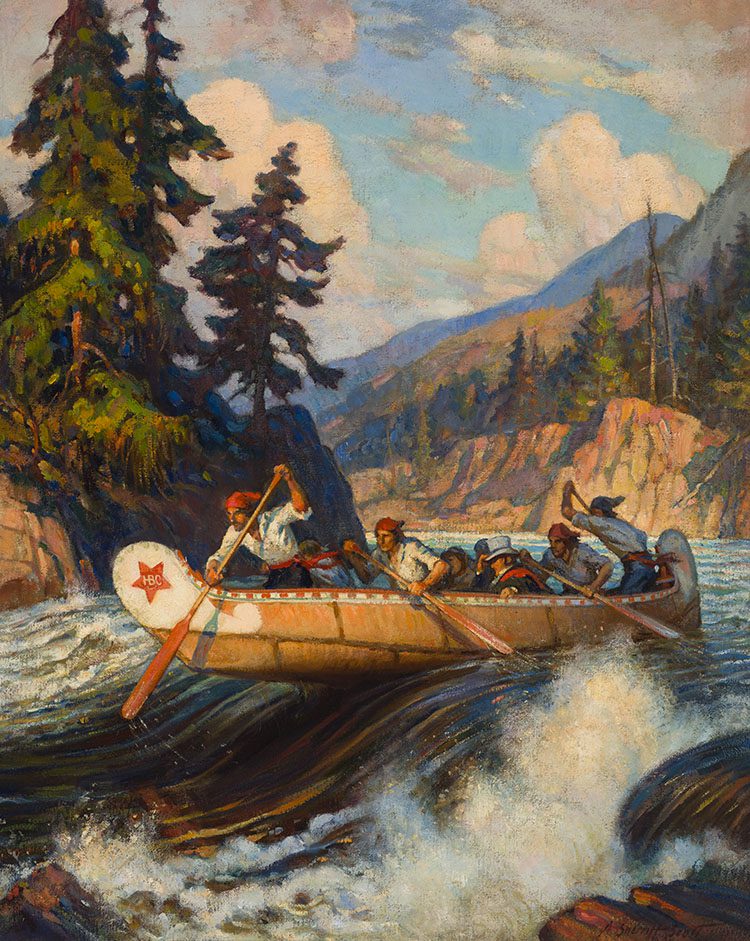
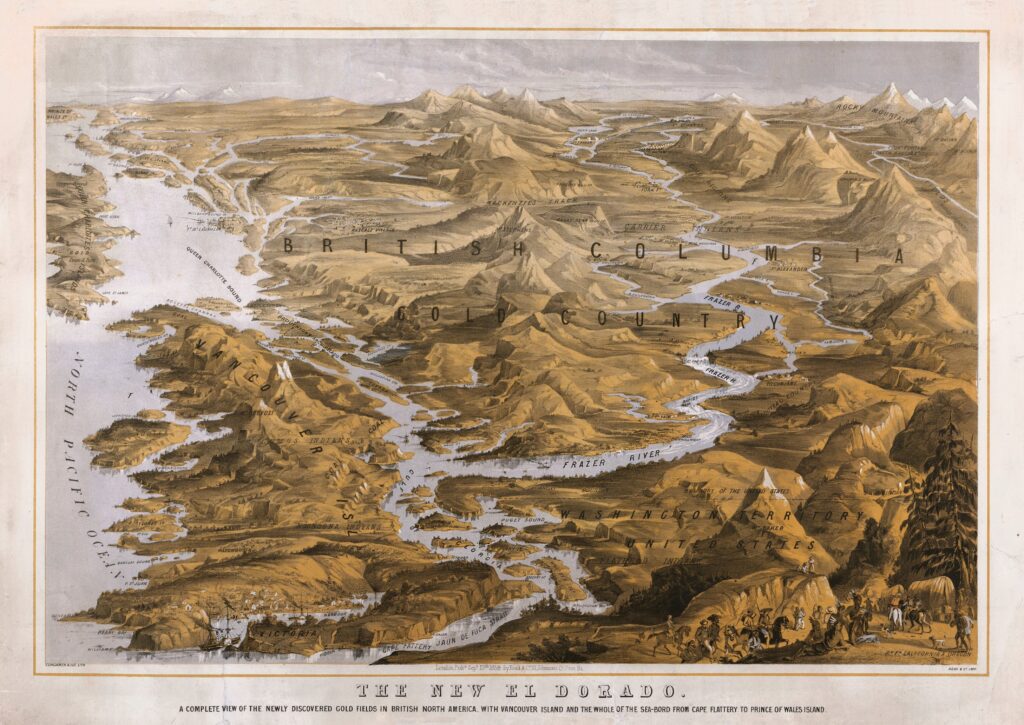
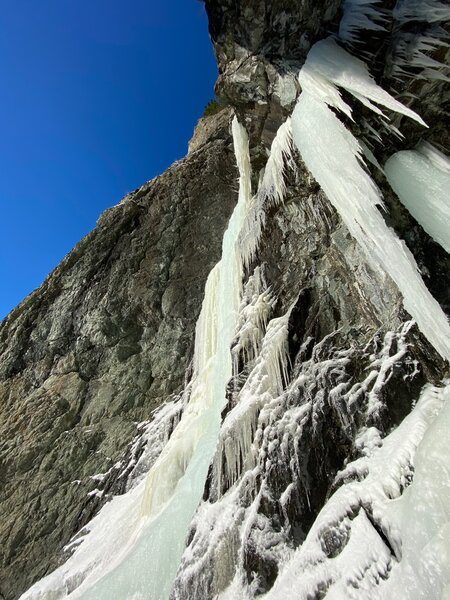
Reaching the goldfields was no small feat. From Victoria, miners had to travel to the mainland and then make their way up the Fraser River, often through the treacherous canyon.
The journey itself became a defining part of the gold rush experience.A young prospector from Oregon kept a journal of his trek. He wrote of steep trails carved into cliff faces, where one misstep could send a man tumbling into the river below. He described nights spent under open skies, the sound of rushing water echoing through the canyon, and the constant uncertainty of what lay ahead.Many never made it to the goldfields. Some turned back, discouraged by the difficulty. Others lost supplies, suffered injuries, or simply ran out of money. The Fraser River, both lifeline and obstacle, shaped the fate of countless hopeful miners.
Those who did reach the diggings often found that the reality of gold mining was far from the dreams that had drawn them there.
The Gold That Wasn’t Easy
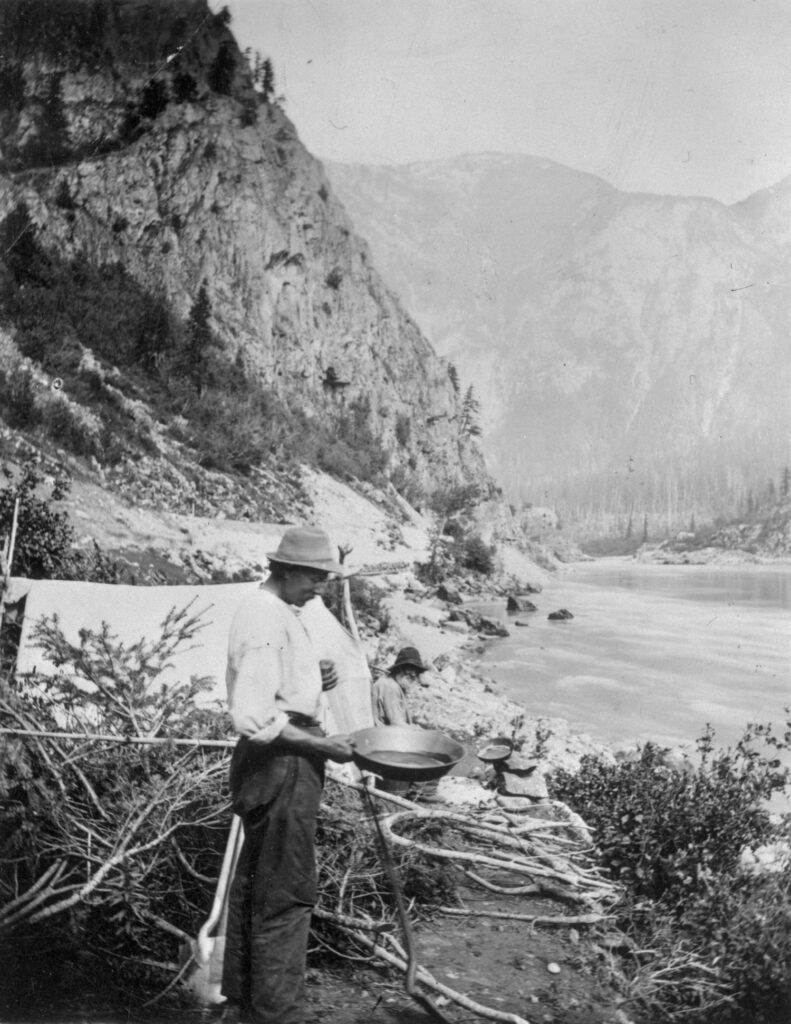
At first, reports suggested that gold could be found easily along the riverbanks. Early arrivals did indeed find some success, panning gold from gravel deposits with relatively simple tools. But this phase was short lived.
As more miners arrived, the easily accessible gold was quickly depleted. The work became harder, requiring more effort, cooperation, and often more capital. Claims were contested, and tensions rose.
One story tells of two partners who had staked a promising claim. For weeks, they worked side by side, enduring long days and uncertain returns. When they finally uncovered a richer deposit, their partnership fractured. Disputes over ownership and profit led to conflict, and the claim was eventually abandoned.
Their story was not unique. The gold rush tested not only physical endurance, but also trust and character. It revealed both the best and worst of human nature.
Indigenous Knowledge and Presence
Long before the arrival of prospectors, the lands and rivers of Vancouver Island and the Fraser region were home to Indigenous peoples who had deep knowledge of the land.
During the gold rush, this knowledge often proved invaluable. Indigenous guides helped miners navigate unfamiliar terrain, find routes through the wilderness, and understand local conditions.
Yet, the influx of miners also brought disruption and conflict. Traditional lands were encroached upon, and resources were strained. While some interactions were cooperative, others were marked by tension and misunderstanding.
One account speaks of an Indigenous guide who led a group of miners safely through a difficult stretch of river. His skill and knowledge were essential to their survival. Yet, once the journey ended, he was paid far less than promised.
This imbalance reflects a broader reality of the gold rush. It was a time of opportunity for some, but also of displacement and challenge for others.
Barkerville and the Dream of Riches
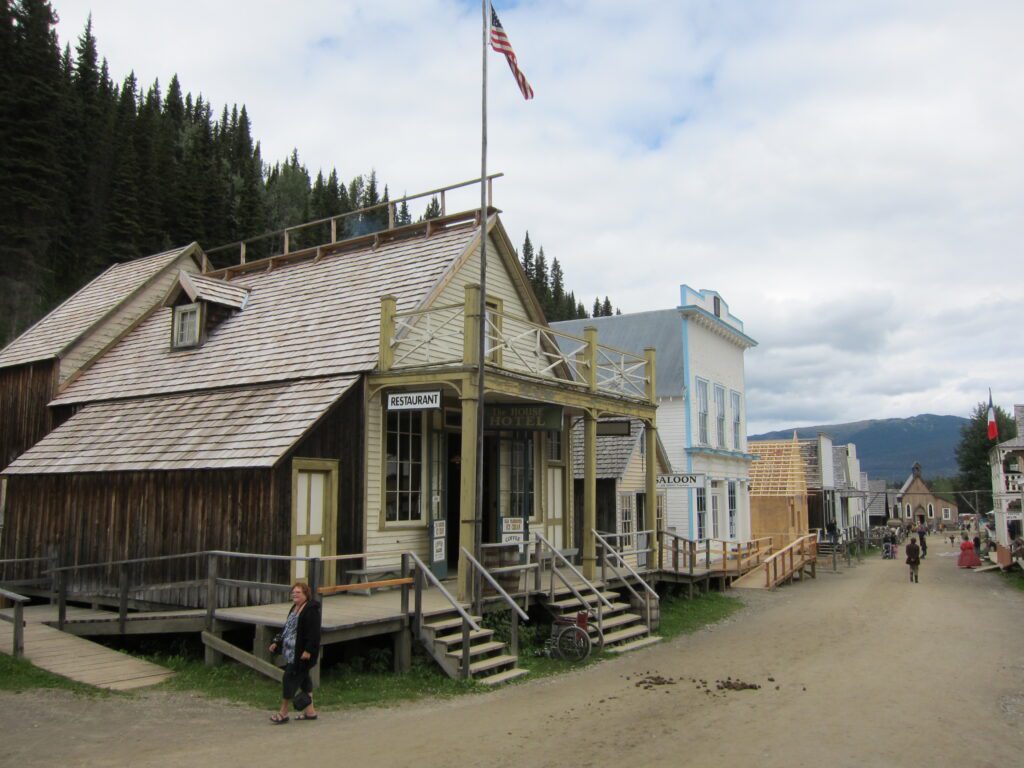
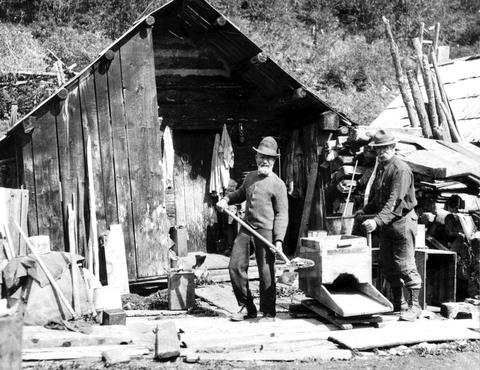
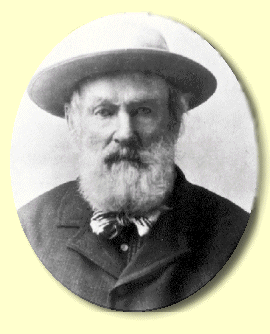
As prospectors pushed inland in search of gold, they turned their attention to the Cariboo region. There, the town of Barkerville rose as one of the most famous gold rush settlements.
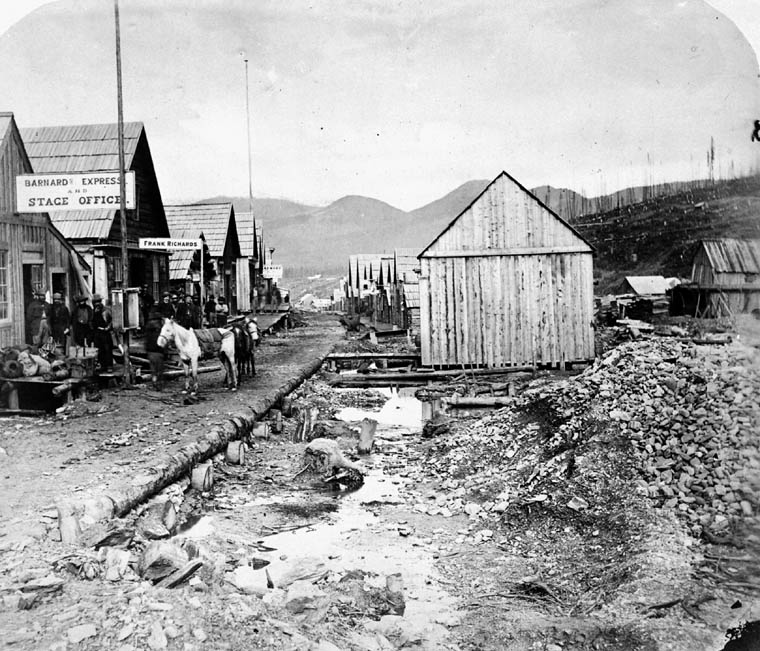
Billy Barker’s rich claim drew miners to the area and gave the town its name. Barkerville quickly grew into a thriving community, with mining operations alongside shops, theaters, and even newspapers.
A traveler passing through Barkerville in the 1860s described a place of striking contrasts. By day, miners labored in muddy claims, driven by the hope of striking it rich. By night, music and conversation filled the air as lanterns flickered along wooden boardwalks.
Yet even in Barkerville, success remained uncertain. For every miner who found gold, many more left with little to show for their efforts.
Women of the Gold Rush
Many people imagine the gold rush as a world of men, yet women played vital roles in these communities. Some ran boarding houses, providing meals and lodging for miners. Others operated businesses, managed supplies, and supported families in challenging conditions.
One woman opened a small bakery in a mining settlement. Using limited ingredients, she created bread and pastries that quickly gained popularity among the miners. Her business thrived and brought a sense of stability to an otherwise uncertain environment. Her success reveals an important truth about the gold rush. Prosperity often came not from mining itself, but from meeting the needs of those who pursued it
Law, Order, and the Birth of a Colony
The sudden influx of people brought not only opportunity, but also the need for law and order, a defining chapter in Vancouver Island gold rush history.
In response, British authorities moved quickly to establish governance. Vancouver Island had already been declared a colony, and the mainland soon followed as the Colony of British Columbia.
Officials sought to regulate mining claims, maintain order, and assert British sovereignty in the region.
One figure often associated with this period is Governor James Douglas, who played a key role in managing the early stages of the gold rush. His efforts helped prevent the kind of lawlessness that had characterized some earlier gold rushes elsewhere.
The establishment of governance during this time laid the foundation for the development of British Columbia as we know it today.
The Quiet After the Rush
As the years passed, the intensity of the gold rush began to fade. Many miners moved on, seeking new opportunities elsewhere. Some settlements were abandoned, while others evolved into permanent communities.
Victoria, however, remained. Its role as a gateway and center of commerce ensured its continued growth. What had begun as a small trading post became a city shaped by the events of the gold rush.
Walking through Victoria today, it is difficult to imagine the chaotic energy of 1858. Yet, traces of that time remain in the city’s layout, its architecture, and its connection to the wider history of the region.
Echoes in the Landscape
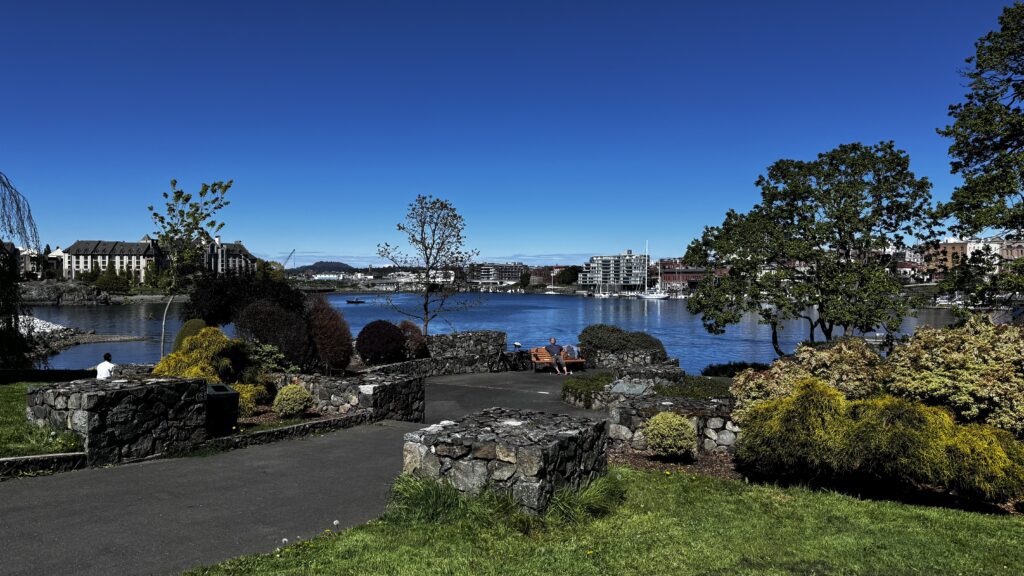
The landscapes that shaped the gold rush still exist. The Fraser River continues to carve its path through the canyon. Barkerville has been preserved as a historic site, offering a glimpse into the past. Victoria’s harbor remains a focal point of activity, though its character has changed.
These places hold stories, not only of gold, but of the people who came in search of it.
The gold rush on Vancouver Island and the surrounding regions was not just about the pursuit of wealth. It was about movement, change, and the meeting of cultures. It reshaped communities, altered landscapes, and set the stage for the future of British Columbia.
In the end, the true legacy of the gold rush lies not in the gold that was extracted, but in the lives that were transformed and the history that continues to echo through this remarkable part of the world.
Experience Gold Rush History with EV Tours
The legacy of the Vancouver Island gold rush is not confined to books. It is visible throughout Victoria for those who know where to look.
On a private history experience with EV Tours, these stories come to life through carefully designed routes and narrative. As you move through the city, you begin to see beyond the surface.
You glimpse the harbour that once overflowed with gold seekers. Passing through the city, you encounter buildings that reflect the wealth and ambition of the era. Along the way, architectural details, materials, and streetscapes reveal how that moment in time shaped what you see today.
Rather than simply viewing historic sites, you are invited to understand them. The gold rush becomes not just a story of the past, but a lens through which Victoria reveals itself.